
“Most institutions demand unqualified faith; but the institution of science makes skepticism a virtue.” — Robert King Merton
Quotations
Moderation
“At one time [Beau] Brummell ate no vegetables, and being asked by a lady if he had ever eaten any in his life said, ‘Yes, madam, I once ate a pea.'”
— William Hardcastle Browne, Witty Sayings by Witty People, 1878
Unquote
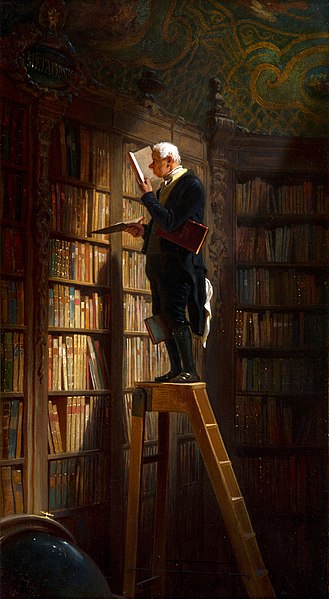
“A multitude of books confuses the mind. Accordingly, since you cannot read all the books which you may possess, it is enough to possess only as many books as you can read.” — Seneca, Moral Letters to Lucilius
Unquote
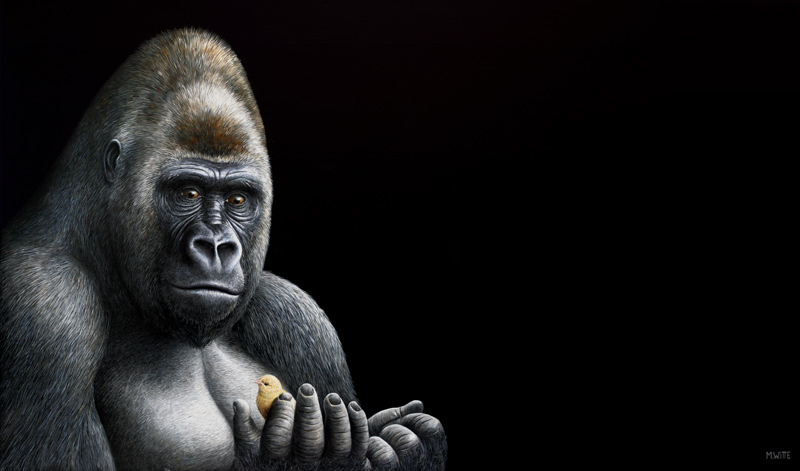
“The more you learn about the dignity of the gorilla, the more you want to avoid people.” — Dian Fossey
Unquote
“We become innocent when we are unfortunate.” — La Fontaine
Unquote
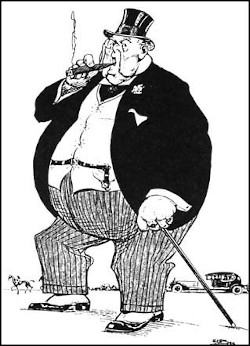
“It tires me to talk to rich men. You expect a man of millions, the head of a great industry, to be a man worth hearing; but as a rule they don’t know anything outside their own businesses.” — Theodore Roosevelt
Misc
- Peter Davison, who played the fifth Doctor in Doctor Who, is the father-in-law of David Tennant, who played the 10th.
- Sharks are older than trees.
- ABHORS, ALMOST, BEGINS, BIOPSY, and CHINTZ are alphabetical.
- “The punishment can be remitted; the crime is everlasting.” — Ovid


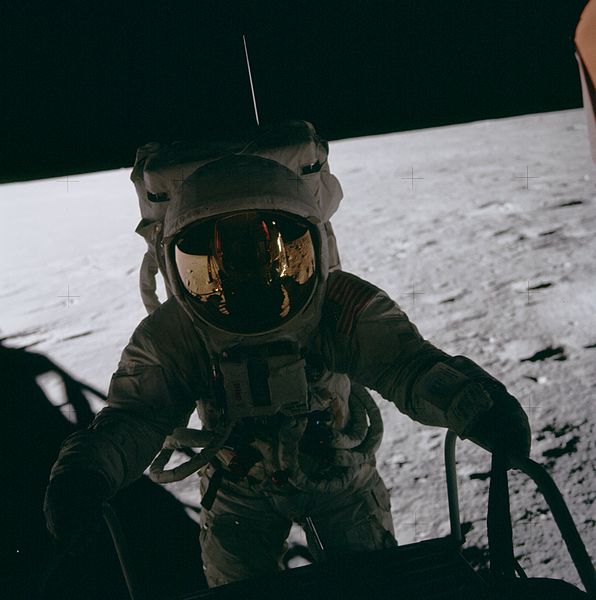
“Whoopee! Man, that may have been a small one for Neil, but that’s a long one for me!” — Pete Conrad, after becoming the third human to set foot on the moon
Unquote
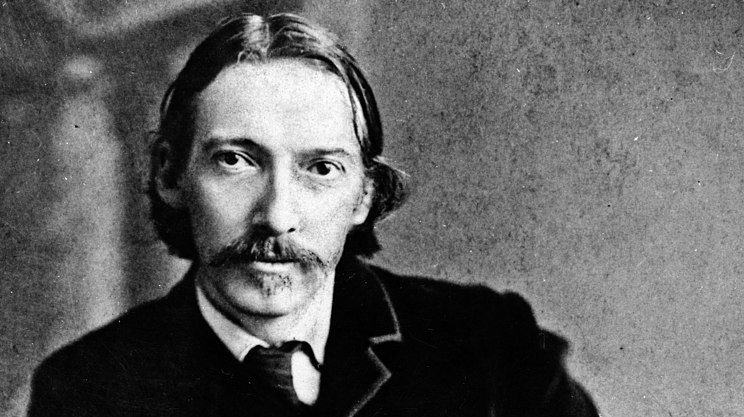
“There is but one art — to omit! O if I knew how to omit, I would ask no other knowledge. A man who knew how to omit would make an Iliad of a daily paper.” — Robert Louis Stevenson, letter to a cousin, Oct. 30, 1883
Unquote
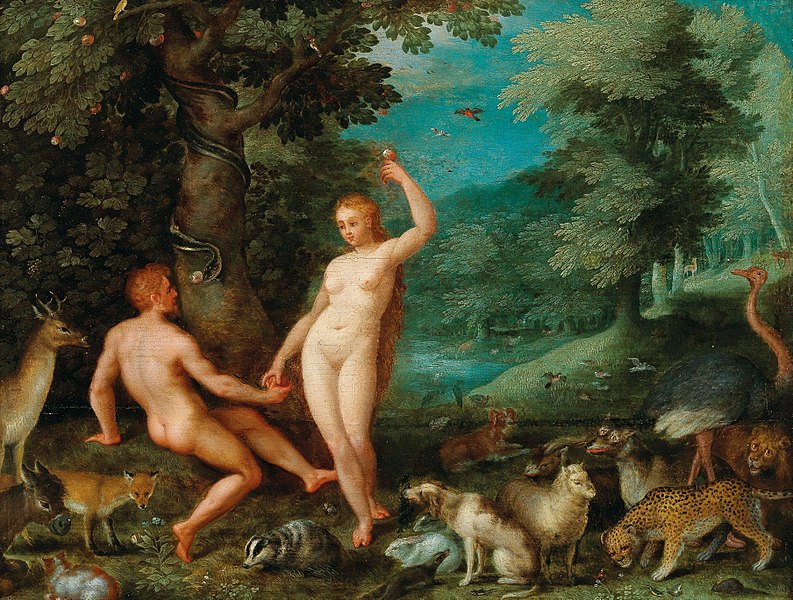
“A little boy and a little girl were looking at a picture of Adam and Eve. ‘Which is Adam and which is Eve?’ said one. ‘I do not know,’ said the other, ‘but I could tell if they had their clothes on.'” — Samuel Butler, Notebooks, 1912
Unquote
“If I were going to construct a God I would furnish Him with some ways and qualities and characteristics which the Present (Bible) One lacks. … He would spend some of His eternities in trying to forgive Himself for making man unhappy when He could have made him happy with the same effort and He would spend the rest of them in studying astronomy.” — Mark Twain